Vehicle Rental Across Africa: Practical Tips for Travellers, Drivers, and Car Owners

November 11, 2026 · 33 reads
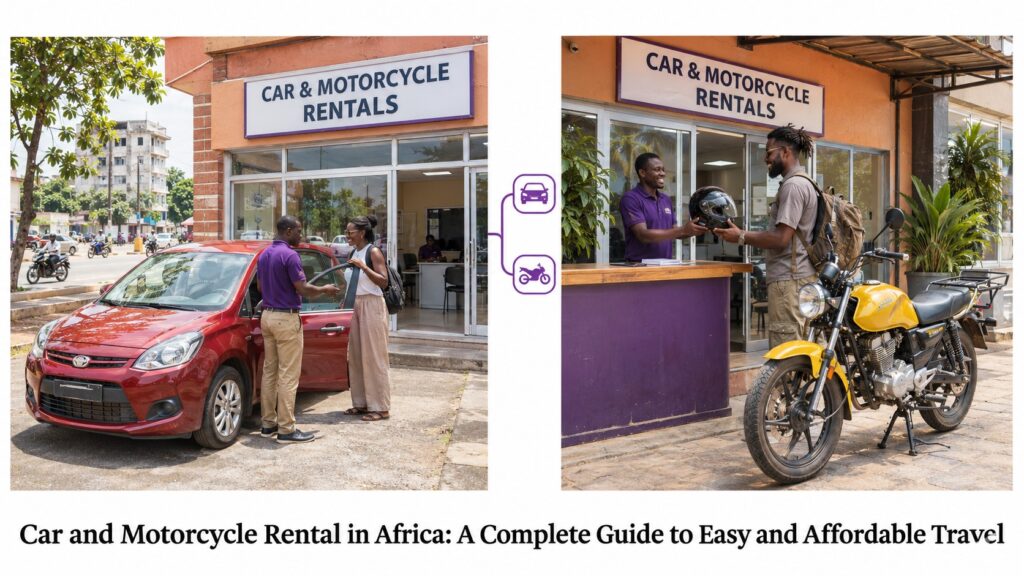
Finding suitable transport can make a big difference to your plans. You may need a car for a family trip. You may need a motorcycle for a quick journey. A business may need a pickup truck for daily deliveries.
Each situation needs a different solution. The right vehicle should match your purpose, budget, and route.
Rental services can help people access vehicles without buying them. They also give vehicle owners another way to reach potential customers.
However, a good rental experience needs clear information. You should check the vehicle, price, documents, and rental terms.
This guide explores ten useful rental topics across Africa. It also shares practical advice for renters and vehicle owners.
1. Car Rental Buea Cameroon: Choose Comfort for Your Journey
A car can make local travel more convenient. It may help with work, shopping, family visits, and personal journeys.
Start by deciding what you need from the vehicle.
A small car may suit a solo traveller. A family may need more seats. People carrying several bags should check the storage space.
Before choosing a car, consider these points:
- Passenger capacity: Check the number of available seats.
- Luggage space: Make sure your bags will fit.
- Travel distance: Estimate how far you plan to drive.
- Road conditions: Consider the roads on your route.
- Rental period: Confirm the dates and return time.
- Vehicle condition: Inspect the car before accepting it.
Ask the provider about fuel rules and mileage limits. Confirm the deposit and payment conditions.
Take photos of existing scratches and damage. Keep a copy of the rental agreement.
A suitable car should meet your travel needs without creating unnecessary costs.
2. Car Hire Cape Town: Compare Vehicles Before Making a Choice
Cape Town offers many travel opportunities. Visitors may explore the city, visit coastal areas, or plan longer drives.
A rental car can help travellers manage their own schedules. But the vehicle should match the trip.
Think about your travel group first. A couple may prefer a smaller car. A family may need more seats and luggage space.
Then compare the rental conditions.
Look beyond the advertised price:
- Check the full rental cost.
- Ask about the security deposit.
- Review insurance coverage and exclusions.
- Confirm fuel and mileage rules.
- Check additional driver conditions.
- Understand late return charges.
- Confirm pickup and drop-off locations.
Also, ask about roadside assistance. Find out how the provider handles breakdowns.
Do not book until you understand the important conditions. A clear agreement can prevent confusion later.
3. Motorcycle Rental Cape Town: Prepare for a Safe Ride
Motorcycles may suit solo travellers and experienced riders. They can also offer a practical option for selected short journeys.
However, riders should never ignore safety. Choose a motorcycle that matches your experience.
Before accepting the vehicle, check its important parts.
- Inspect the tyres and wheels.
- Test the brakes.
- Check the headlights and indicators.
- Look at the mirrors and controls.
- Check for visible leaks.
- Inspect the chain, where applicable.
- Confirm the fuel level.
Ask the provider about maintenance support. Confirm the licence and document requirements.
Wear a suitable helmet and protective clothing. Follow local road rules and speed limits.
If you notice a fault, report it before starting the ride. Never use a motorcycle that appears unsafe.
4. Motorcycle Rental Johannesburg: Plan Every Ride Carefully
Johannesburg has busy roads and changing traffic conditions. Riders should prepare before travelling through unfamiliar areas.
Start with a simple route plan. Check the distance and allow enough travel time.
Avoid choosing a motorcycle that feels difficult to control. Comfort and handling should matter more than appearance.
Before collection, confirm:
- Motorcycle model and condition.
- Rental price and payment terms.
- Deposit requirements.
- Collection and return times.
- Fuel and mileage rules.
- Required driving documents.
- Emergency contact details.
Check the brakes, lights, tyres, and mirrors. Report any existing damage.
Ask what happens if the motorcycle breaks down. Understand the provider’s support process.
Wear protective gear on every ride. Keep a safe distance from other vehicles.
Good planning helps riders make better decisions. It also reduces the chance of avoidable problems.
5. Pickup Truck Rental Buea: Plan Your Cargo Requirements
Pickup trucks can help with business and personal transport. They may suit equipment, supplies, furniture, and delivery work.
But choosing a truck requires careful planning.
Start by checking the size and weight of your goods. Then compare those details with the truck’s capacity.
A suitable truck should provide enough space. It should also support the load within its stated limits.
Before booking, check:
| Item | What to consider |
|---|---|
| Loading space | Length and width of the truck bed |
| Load capacity | Maximum permitted weight |
| Passenger seats | Number of people it can carry |
| Cargo security | Available straps or covers |
| Fuel use | Expected travel and fuel needs |
| Road access | Suitability for your planned route |
| Rental period | Time needed for loading and delivery |
Never overload a pickup truck. Secure every item before driving.
For business use, estimate how long you need the vehicle. Compare rental costs with your delivery schedule.
Ask about permitted uses before confirming the booking.
6. Car Rental Gwanda Zimbabwe: Check the Vehicle and Agreement
A rental car may help with family visits, work, and personal travel. It can also support visitors who need temporary transport.
Before booking, identify your main travel requirements.
Think about the number of passengers. Check luggage space and expected travel distance. Consider whether you need the car for one day or longer.
Next, review the rental agreement.
Important details to confirm:
- Vehicle type and seating capacity.
- Collection and return dates.
- Total rental price.
- Deposit and refund conditions.
- Fuel policy.
- Mileage restrictions.
- Required driving documents.
- Permitted travel areas.
If you plan to travel outside Zimbabwe, ask the provider first. Cross-border travel may need extra permission and documents.
Do not assume the rental agreement allows international travel. Get written confirmation before departure.
Keep the agreement and payment proof. These records can help if questions arise.
7. Self Drive Car Rental South Africa: Know What You Agree To
Self-drive rentals let customers operate the vehicle themselves. This option can suit people who prefer control over their travel schedule.
But drivers must understand their responsibilities.
First, confirm that your driving licence meets the applicable requirements. Ask the provider about any additional documents.
Next, read the agreement carefully.
Pay special attention to:
Approved drivers: Check who can legally drive the vehicle under the agreement.
Insurance: Understand coverage, exclusions, and excess payments.
Fuel policy: Confirm the expected fuel level at return.
Mileage limits: Check any daily or total distance restrictions.
Vehicle damage: Learn how to report scratches, accidents, or faults.
Roadside support: Save the provider’s contact details.
Return conditions: Confirm the time, place, and inspection process.
Inspect the car before leaving. Take photos of the exterior and interior.
Keep the rental agreement with you. Report problems as soon as they happen.
Never let an unauthorised person drive the vehicle.
8. Electric Car Rental Cape Town: Make Charging Part of Your Plan
Electric cars use rechargeable batteries. They do not need petrol or diesel for normal driving.
However, renters need to plan charging stops. This matters when travelling longer distances.
Before choosing an electric car, check whether its expected range suits your route.
Ask the provider these questions:
- What is the expected driving range?
- Which charging connector does the car use?
- Is a charging cable included?
- Where can I find suitable charging points?
- How long may charging take?
- What battery level must I return?
- Who pays the charging costs?
Remember that driving conditions can affect battery use. Speed, terrain, weather, and air conditioning may change the actual range.
Check charging options before departure. Allow extra time for charging stops.
Learn how to use the charging system. Check the battery level when collecting the car.
A good charging plan can help prevent unnecessary delays.
9. Peer to Peer Car Rental South Africa: Explore a Direct Rental Connection
Peer-to-peer rental connects vehicle owners with people who need transport. It gives owners another way to present their vehicles.
It also gives renters another option when comparing rental choices.
MotoShare Africa is a vehicle rental marketplace focused on African markets. It helps users explore vehicle rental connections through its platform.
Visit https://motoshareafrica.com/ to learn more.
Before agreeing to a rental, both sides should check the details.
For renters:
- Read the vehicle description.
- Review the available photos.
- Ask about the vehicle’s condition.
- Confirm the rental dates.
- Check the total payment.
- Understand deposit and cancellation rules.
- Review insurance information.
For vehicle owners:
- Share accurate vehicle details.
- Use clear and recent photos.
- Explain the rental conditions.
- Confirm pickup and return arrangements.
- State payment expectations.
- Keep records of each booking.
Do not rely on unclear verbal promises. Put important conditions in writing.
A rental marketplace can help people connect. Both sides must still check the actual agreement.
10. Rent Out Your Car South Africa: Prepare Before Accepting Renters
A car that stays unused may seem like an opportunity. Some owners may consider renting it to other people.
But owners should prepare before listing a vehicle.
First, contact your insurance provider. Confirm whether your policy covers rental use. Ask for written clarification.
You should also check local legal requirements. Seek professional advice when necessary.
Then prepare the vehicle for renters.
Step 1: Inspect the car
Check the tyres, brakes, lights, and other important parts. Fix serious faults before accepting bookings.
Step 2: Clean the vehicle
Clean the seats, dashboard, windows, and exterior. A tidy car creates a better first impression.
Step 3: Take clear photos
Show the car from different angles. Include useful interior and exterior views.
Step 4: Write an accurate listing
Describe the vehicle, seating capacity, and condition. Avoid unsupported claims.
Step 5: Explain rental rules
Set clear payment, deposit, collection, and return conditions.
Step 6: Record each handover
Take photos before and after every rental. Save the dates and payment details.
Step 7: Prepare for unexpected events
Decide how you will handle accidents, breakdowns, and late returns.
Owners should never hide existing damage. Honest information helps renters make informed choices.
A Simple Way to Compare Rental Offers
Comparing several offers can help you make a better decision.
Use this process before confirming a booking:
| Comparison point | What to look for |
|---|---|
| Vehicle suitability | Does it match your journey? |
| Total price | Are all charges clear? |
| Condition | Has the vehicle been inspected? |
| Insurance | Do you understand the coverage? |
| Documents | Are the requirements clear? |
| Support | Can you contact the provider? |
| Return process | Are the handover rules clear? |
Do not select an offer based only on price. Check the full terms and vehicle condition.
Rental Habits That Help Both Sides
Renters and owners share responsibility for a smooth handover.
Renters should inspect the vehicle and follow the agreement. Owners should explain the rules and record the vehicle’s condition.
Both sides should:
- Communicate before collection.
- Confirm dates and locations.
- Record existing damage.
- Keep payment records.
- Save important messages.
- Report problems quickly.
- Confirm the final handover.
These habits can reduce confusion. They also help both sides understand their responsibilities.
Frequently Asked Questions
1. How do I choose the right rental vehicle?
Start with your travel purpose, route, passenger count, and budget. Compare vehicles that meet those needs.
2. What should I inspect before collecting a car?
Check the tyres, brakes, lights, mirrors, fuel level, and bodywork. Photograph existing damage.
3. Is motorcycle rental suitable for new riders?
Riders should follow local licence requirements and choose a motorcycle that matches their skills. Safety training and protective gear matter.
4. What should I check before renting a pickup truck?
Check the loading space and permitted weight. Make sure the vehicle suits your route and cargo.
5. What makes self-drive rental different?
The renter drives the vehicle rather than hiring a driver. The renter must follow the agreement and local driving rules.
6. How should I prepare for an electric car rental?
Check the expected range, charging connector, charging locations, and return battery rules. Plan stops before travelling.
7. How does peer-to-peer car rental work?
A marketplace connects vehicle owners with potential renters. Both sides should review the listing and agree on clear terms.
8. What should I do before renting out my car?
Check insurance and legal requirements. Inspect the car, prepare clear photos, and set written rental conditions.
Final Thoughts
Vehicle rentals can support many travel and business needs. The best choice depends on your journey and the vehicle’s purpose.
Compare the full cost, inspect the vehicle, and read the agreement. Check safety, documents, and return conditions before paying.
Owners should also prepare their vehicles carefully. Accurate listings and clear rules help set the right expectations.
Whether you need a car, motorcycle, pickup, or electric vehicle, plan ahead. Careful decisions can make your rental experience easier.
Leave a Reply